As an Amazon Associate this site earns from qualifying purchases.
If you're using La Mer Eye Concentrate for glaucoma patients who depend on daily prostaglandin analog (PGA) drops like latanoprost, bimatoprost, travoprost, or tafluprost, the answer is encouraging but nuanced: La Mer's iconic eye treatment is generally well-tolerated alongside PGA therapy because its formula leans on Miracle Broth, algae extracts, and lightweight emollients rather than retinoids, strong acids, or high-fragrance essential oils that can sting medicated lids. However, prostaglandin drops cause a distinct constellation of periorbital changes — darkening, fat-pad hollowing, lash overgrowth, and skin thinning known as prostaglandin-associated periorbitopathy (PAP) — and your eye-cream routine has to be engineered around those side effects, not just generic anti-aging concerns.
This guide walks you through how to apply La Mer's Eye Concentrate without disrupting drop absorption, what to watch for on PGA therapy, and the gentle, fragrance-conscious alternatives or companion creams that pair best with it. Always discuss any topical near the eye with your prescribing ophthalmologist before adding it to a glaucoma regimen.
When shopping for La Mer Eye Concentrate for glaucoma patients, it pays to compare specs, capacity, and real-world runtime before committing.
Why prostaglandin drops change what your under-eye needs
Prostaglandin analogs are the most prescribed first-line glaucoma drops worldwide, and they work brilliantly to lower intraocular pressure. The trade-off is cosmetic: published ophthalmology literature describes PAP as including deepening of the upper lid sulcus, loss of orbital fat, enophthalmos (a sunken look), dermatochalasis, periocular hyperpigmentation, eyelash hypertrichosis, and mild inflammation of the lid margin. Patients often arrive at the skincare counter assuming they have suddenly aged a decade in one eye — when in reality, the medication is restructuring the soft tissue around the orbit.
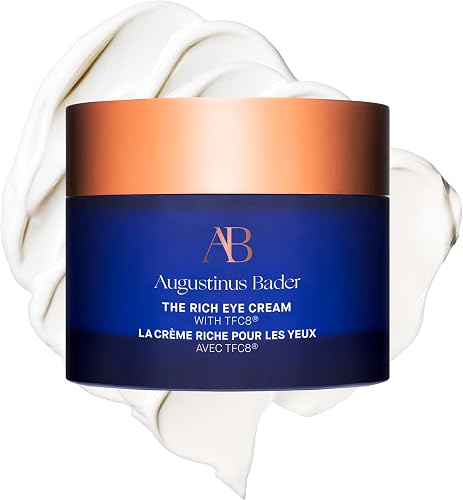
- Backed by Science: Utilizes TFC8 technology to enhance skin renewal, targeting puffiness, dark circles, and fine lines around the delicate eye area
- Benefits: Visibly firms and smooths, providing a refreshed and youthful appearance
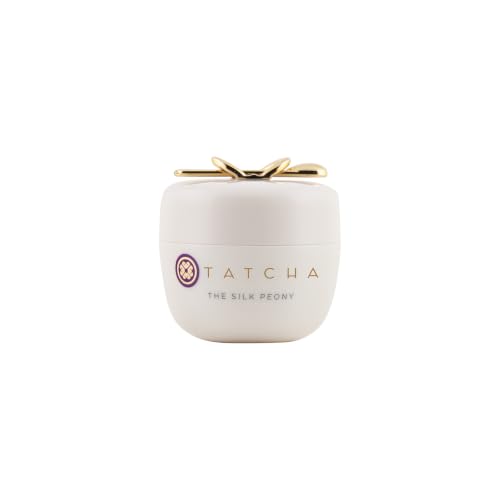
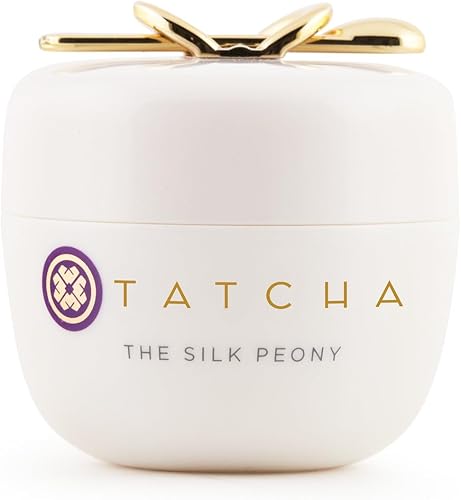
- NOURISHING EYE CREAM that melts to release a double shield of hydration with line-smoothing liquid silk and moisture-locking Japanese White Peony for youthful, radiant eyes. Ideal
- SMOOTHS & BLURS: Cushiony balm designed for comfort around the delicate eye area melts upon application to release a powerful moisturizing elixir with liquid silk. Blurs the look
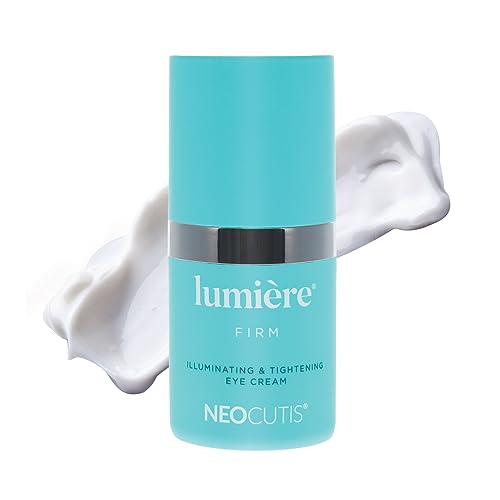
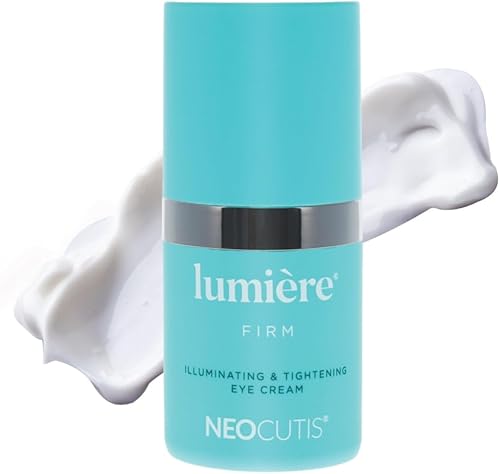
- Reduce the Appearance of Wrinkles. Neocutis Lumière Firm Illuminating and Tightening Eye Cream is scientifically developed to target the delicate eye area with its advanced
- Brighten and Tighten. Glycyrrhetinic Acid helps lighten the appearance of under-eye darkness while proprietary peptides aid in the improvement of firmness, elasticity, tone, and
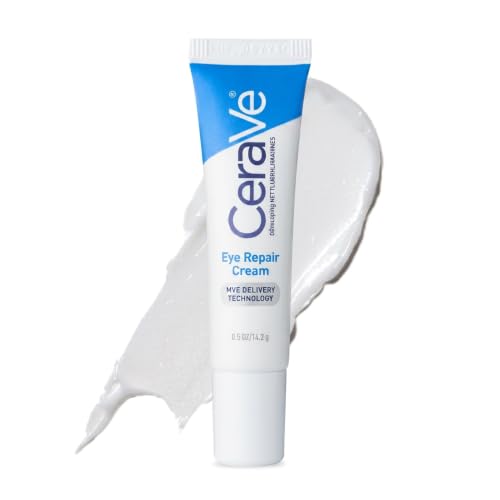
- [ 3 ESSENTIAL CERAMIDES ] Formulated with three essential ceramides to help restore and maintain the skin's natural barrier around the delicate eye area
- [ HYDRATING INGREDIENTS ] Eye cream with Hyaluronic Acid to help retain skin's moisture and Niacinamide to help soothe skin and reduce the appearance of dark circles
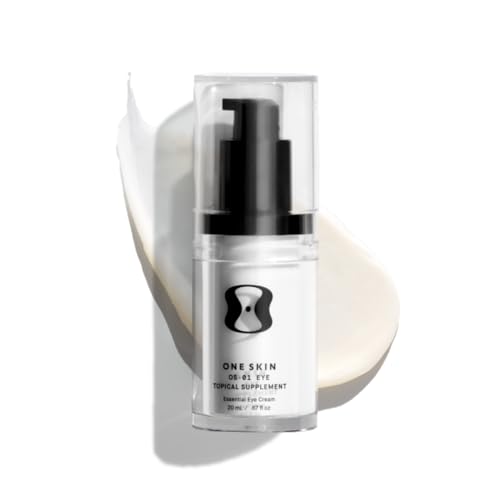
- SAFE & CLEAN: Suitable for all skin types and genders, OS-01 EYE is fragrance-free, non-comedogenic, and cruelty-free (Leaping Bunny certified). Developed by longevity scientists
- POWERED BY A BREAKTHROUGH PEPTIDE: OS-01 EYE is formulated with a concentrated level of our OS-01 Senescence-Blocking Peptide to target a root cause of skin aging, visibly firming
- Rapidly smoothest and hydrates
- Apply gently on delicate under eye area
Comparison: gentle eye treatments that pair with PGA therapy
If you want to rotate companion products with La Mer — a brightening AM, a barrier-repair PM, a fragrance-free option for sensitive lid skin — the table below compares five well-formulated options that ophthalmologists and cosmetic dermatologists frequently consider compatible with glaucoma drop regimens. None replaces medical advice; all should be patch-tested on the inner forearm first and discussed with your prescriber.
| Product | Best for PGA users because | Key actives | Fragrance |
|---|---|---|---|
| CeraVe Eye Repair Cream | Ophthalmologist-tested, barrier-focused, affordable daily option | Ceramides, niacinamide, hyaluronic acid | Fragrance-free |
| NEOCUTIS Lumiere Firm | Targets PAP-related hyperpigmentation and tear-trough shadowing | Peptides, brightening blend | Lightly fragranced |
| OneSkin EYE OS-01 | Designed for sensitive skin, no retinoid, no fragrance, peptide-led | OS-01 peptide | Fragrance-free |
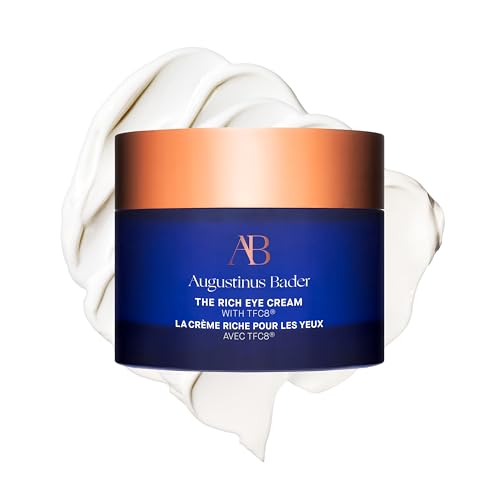
| Augustinus Bader The Rich Eye Cream | Luxury alternative to La Mer with restorative TFC8 complex | TFC8, hyaluronic acid, ceramides | Lightly scented |
| TATCHA The Silk Peony Melting Under Eye Cream | Comforting hydration cushion for hollowing tear troughs | Peony root, hyaluronic acid, silk extract | Light botanical |
That means a luxury eye cream in this scenario isn't being asked to do typical anti-wrinkle work. It needs to:
- Plump and visually re-cushion a hollowing tear trough without occluding the lash line where the drop sits.
- Brighten or camouflage melanin-driven darkening that mascara and concealer alone won't fix.
- Strengthen a barrier that is now exposed to a preservative-containing drop twice or three times daily.
- Avoid actives that compete with the drop or amplify lid irritation — think retinoids, AHAs, BHAs, high-percentage vitamin C, and heavy fragrance.
La Mer's Eye Concentrate fits much of that profile. It is rich, soothing, and built around marine ferments that calm rather than stimulate. The catch is timing and placement, which we'll get to next.
How to layer La Mer Eye Concentrate with PGA drops
The single most important rule for using La Mer Eye Concentrate for glaucoma patients is separation in time. Prostaglandin drops should always be instilled onto a clean, dry eye — not a moisturized one. Cream films at the lash line can wick a drop away from the conjunctival sac or dilute it before absorption.
- Drops first, cream much later. Instill your PGA drop at the time your ophthalmologist prescribed (most patients dose at bedtime). Press gently on the inner corner for 60 seconds to limit systemic absorption.
- Wait 15–20 minutes. Blot any drop residue from the lower lid with a clean tissue. PGA solutions can migrate down the cheek and cause hyperpigmentation wherever they sit.
- Apply eye cream to the orbital bone only — not the lid margin or lash line. Use the cool metal applicator or a clean ring finger to tap a rice-grain amount along the orbital rim, the tear trough, and the outer crow's-feet area. Do not drag product up toward the lash line where the drop was placed.
- Morning routine reverses the order: cleanse, eye cream first, allow 10 minutes to absorb, then any AM drop if your regimen calls for one.
This sequencing matters more than the cream you choose. For a deeper walkthrough of pressing, dotting, and pinky-finger technique, see our guide to applying eye cream, and our broader La Mer The Eye Concentrate review covers texture and applicator behavior in detail.
Top companion picks for La Mer Eye Concentrate on glaucoma drops
CeraVe Eye Repair Cream — the everyday barrier option
If La Mer is your evening luxury, CeraVe is the unglamorous workhorse worth keeping on the bathroom counter for the morning after a stinging dose, or for travel when you don't want to pack the heavier jar. It's fragrance-free, ophthalmologist-tested, and built around ceramides plus niacinamide — ingredients that quietly rebuild the lipid envelope thinned by years of drop exposure. The marine-botanical complex helps with the puffiness many PGA users notice in the morning, and the price means you can apply generously without rationing. CeraVe Eye Repair Cream.
NEOCUTIS Lumiere Firm — brightening for periocular hyperpigmentation
Periocular skin darkening is one of the most distressing PAP changes, and it does not respond to caffeine roll-ons because the issue is melanin, not vascular pooling. NEOCUTIS Lumiere Firm uses a peptide-rich growth-factor blend with brightening agents that target the deep melanin shift PGA drops can trigger. It absorbs cleanly under makeup and layers well over La Mer's heavier feel in the evening for patients who want both barrier richness and tone correction. NEOCUTIS Lumiere Firm.
OneSkin EYE OS-01 — the fragrance-free sensitive-lid pick
OneSkin's EYE OS-01 is formulated for sensitive skin, free of fragrance, essential oils, and retinoids — the exact profile glaucoma patients should look for. Its proprietary OS-01 peptide is studied for senescent cell behavior, which makes it interesting for the thinning, crepey quality that PAP introduces around the orbital rim. If your ophthalmologist has flagged that you cannot tolerate any aromatic ingredients near a medicated eye, this is the easiest swap into the routine. OneSkin EYE OS-01 Peptide Topical Supplement.
Augustinus Bader The Rich Eye Cream — the luxury counterpart
Patients who love La Mer's ritual but want a second luxury jar in rotation often land on Augustinus Bader. The Rich Eye Cream is built around the brand's TFC8 complex, with a cushioning, occlusive feel that mirrors La Mer's emollience without overlapping its botanical profile. It is a strong nighttime option to push hydration into the hollowing fat-pad area while you sleep — just keep it well above the lash line. Augustinus Bader The Rich Eye Cream.
TATCHA The Silk Peony Melting Under Eye Cream — the daytime cushion
For PGA users dealing with sunken tear troughs that make concealer crease and cake, TATCHA's Silk Peony provides a soft, optically blurring finish. It melts in fast, never pills under makeup, and the peony-root and silk-extract blend leaves a hydrated rather than greasy slip. Many wearers find it the most forgiving daytime base for concealer application over a hollowed orbital rim. TATCHA The Silk Peony Melting Under Eye Cream.
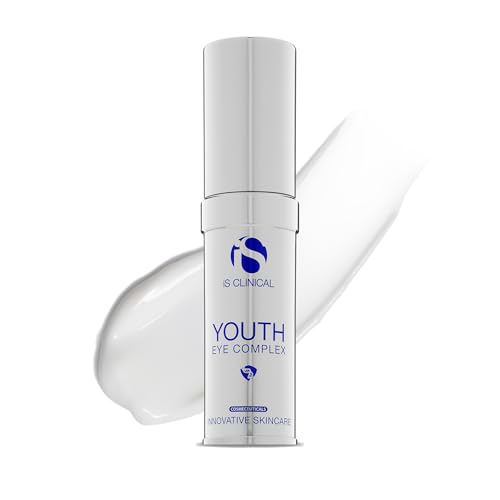
iS CLINICAL Youth Eye Complex — the firming, brightening hybrid
iS CLINICAL's Youth Eye Complex is a clinically-leaning option developed in dermatology and plastic-surgery channels. It pairs hydration with firming and brightening peptides at a measured level, which suits glaucoma patients who want a clinical formula but cannot tolerate retinol or strong acids near the eye. It also layers cleanly under La Mer when you want the protective barrier on top of an active. iS CLINICAL Youth Eye Complex.
What to avoid near medicated eyes
Glaucoma patients on PGA therapy should generally steer clear of:
- Retinol and retinal eye creams on the lid margin — they can amplify lid inflammation already primed by the drop preservative.
- High-concentration vitamin C serums (15%+) applied to the upper lid — stinging and irritation risk is real.
- Essential-oil-heavy products — lavender, peppermint, citrus oils can volatilize into the tear film.
- BHA or AHA exfoliating eye treatments on a lid that already shows medication-driven thinning.
- Lash-growth serums — your PGA drop is already a lash growth promoter; stacking is unnecessary and increases hyperpigmentation risk.
If your ophthalmologist has rotated you to preservative-free PGA single-dose vials, your tolerance for actives near the eye usually widens — but still patch test. For broader principles on choosing eye cream around skin sensitivities, our guide to choosing a luxury eye cream for your skin type covers the framework. For comparison of La Mer versus another marine-luxury option that some glaucoma patients consider, see our deep dive on La Mer Eye Concentrate for mature skin with dark circles.
Frequently Asked Questions
Can I use La Mer Eye Concentrate if my latanoprost is causing dark circles?
Yes, La Mer Eye Concentrate is generally compatible, but it is primarily hydrating and firming rather than brightening. For latanoprost-driven hyperpigmentation, pair it with a tyrosinase-aware brightening formula like NEOCUTIS Lumiere Firm in the morning, and use La Mer at night for barrier comfort. Confirm with your ophthalmologist before adding any new product near a medicated eye.
Will eye cream interfere with how well my glaucoma drops work?
It can, if applied too close in time. Cream films on the lid margin or lash line can wick the drop away from the conjunctival sac and reduce delivery. Always dose the drop first onto clean, dry skin; wait 15–20 minutes; then apply eye cream only to the orbital bone area, never the lash line itself.
Does La Mer Eye Concentrate help with prostaglandin-associated periorbitopathy hollowing?
It cannot reverse true fat-pad atrophy — that is structural and only filler or surgical correction addresses it. What La Mer can do is plump the surface skin, restore radiance, and reduce the optical depth of the hollow by light reflection. Patients with significant hollowing often combine topical care with an ophthalmologist-supervised filler consultation.
Can I use a retinol eye cream while on bimatoprost?
Generally not on the upper lid. Bimatoprost can already cause mild lid inflammation, and adding retinol increases the risk of irritation, redness, and worsened pigmentation. If you want anti-aging support, choose a peptide-based formula like OneSkin EYE OS-01 or iS CLINICAL Youth Eye Complex instead, and reserve retinol for non-medicated facial zones.
Which eye cream is safest if my glaucoma drops sting my lid skin?
A fragrance-free, ceramide-rich, ophthalmologist-tested option like CeraVe Eye Repair Cream is the most defensive choice for actively irritated lid skin. Once the lids calm down, you can layer a richer luxury cream like La Mer or Augustinus Bader on the orbital bone in the evening.
How do I camouflage darkening from travoprost without irritating my eye?
Use a mineral-based, fragrance-free corrector applied below the lash line, never on it. Color-correct peach tones under concealer for blue-toned darkening, or yellow-beige tones for brown-toned hyperpigmentation. Brightening eye creams like NEOCUTIS Lumiere Firm work over weeks to address the melanin source, while concealer handles the daily camouflage.
Should I tell my ophthalmologist I'm using La Mer?
Yes. Any topical applied within an inch of the eye is worth disclosing at your pressure check, because some ingredients can interact with tear film stability or drop absorption. Your prescriber may also want to document baseline lid appearance so that future PAP-related changes are not misattributed to skincare.
For more on transparency and how we evaluate luxury formulas, see our affiliate disclosure.
Key Takeaways
- Choosing the right La Mer Eye Concentrate for glaucoma patients means matching the key features to your specific needs and budget
- Read real customer reviews and check the return policy before you commit
- Also covers: la mer eye concentrate latanoprost dark circles
- Also covers: luxury eye cream prostaglandin induced periorbital changes
- Also covers: la mer eye cream bimatoprost eyelash side effects
- Compare value across models — the priciest option is not always the best fit