As an Amazon Associate this site earns from qualifying purchases.
If you're searching for the sisley black rose eye contour for night shift nurses with blue shadows, you're likely battling the bluish-purple discoloration that comes from venous pooling, sleep debt, and 12-hour shifts under fluorescent lights. Sisley's Black Rose Eye Contour is a cult-favorite among healthcare workers because its black rose, padina pavonica, and silanol-based peptide complex addresses the exact triad night nurses face: dehydration crepe, lymphatic puffiness, and the cool-toned shadows that show through thin periorbital skin after a string of nights. Below we break down why it works for rotating-shift skin, how to layer it around scrubs and scrub caps, and which luxury alternatives stand up if Sisley is sold out.
Why Blue Shadows Hit Night Shift Nurses Hardest
Blue under-eye shadows aren't melanin pigmentation—they're the dark color of deoxygenated venous blood showing through translucent periorbital skin. Three things make night-shift nurses uniquely vulnerable: disrupted circadian cortisol thins the dermis over time, dehydration from skipping water during long codes shrinks plasma volume (making vessels more prominent), and lying flat for daytime sleep pools fluid in the orbital area. A traditional brightening cream that targets melanin pigmentation won't help; you need a formula that strengthens capillary walls, supports microcirculation, and plumps the skin with humectants so the vessels stop telegraphing through.
- Reduce the Appearance of Wrinkles. Neocutis Lumière Firm Illuminating and Tightening Eye Cream is scientifically developed to target the delicate eye area with its advanced
- Brighten and Tighten. Glycyrrhetinic Acid helps lighten the appearance of under-eye darkness while proprietary peptides aid in the improvement of firmness, elasticity, tone, and
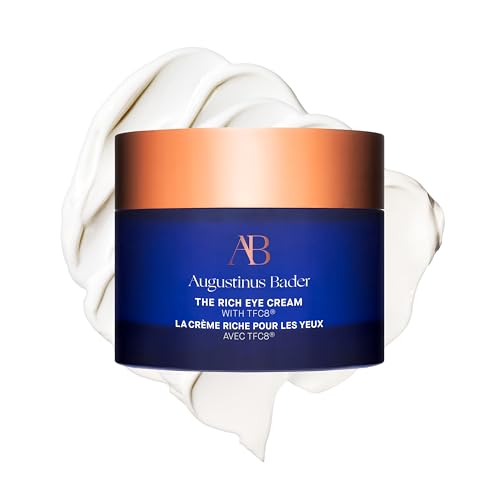
- Backed by Science: Utilizes TFC8 technology to enhance skin renewal, targeting puffiness, dark circles, and fine lines around the delicate eye area
- Benefits: Visibly firms and smooths, providing a refreshed and youthful appearance
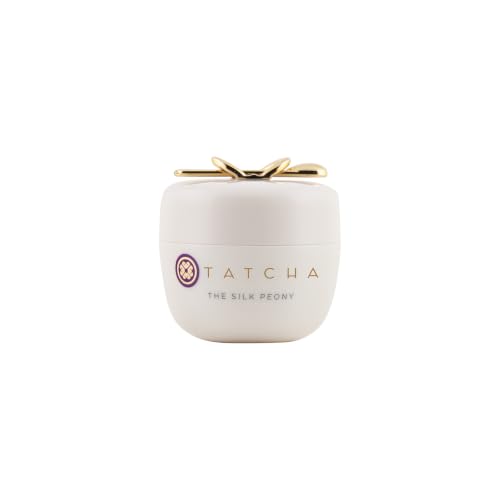
- NOURISHING EYE CREAM that melts to release a double shield of hydration with line-smoothing liquid silk and moisture-locking Japanese White Peony for youthful, radiant eyes. Ideal
- SMOOTHS & BLURS: Cushiony balm designed for comfort around the delicate eye area melts upon application to release a powerful moisturizing elixir with liquid silk. Blurs the look
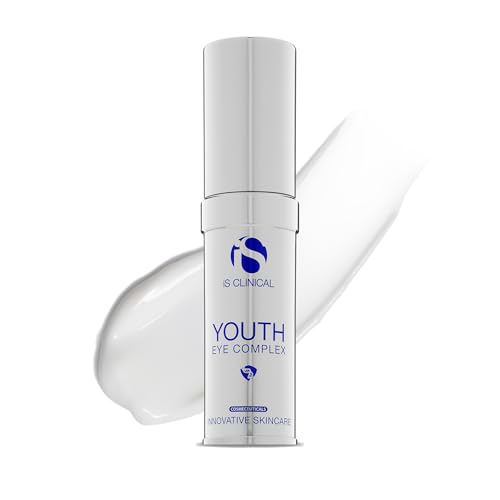
- Rapidly smoothest and hydrates
- Apply gently on delicate under eye area
How the Sisley Black Rose Eye Contour Targets Shift-Worker Skin
Sisley's formula leans on three pillars the night-shift demographic actually needs. Black rose extract delivers polyphenols that help shield capillary integrity—important when you're swinging between negative-pressure rooms and dry hospital HVAC. Padina pavonica, a brown algae, supports glycosaminoglycan synthesis so the dermis holds water through a 12-hour stretch. And the silanol-derived peptides offer mild firming without retinoids, which is critical because the sisley black rose eye contour for night shift nurses needs to be tolerable even when you've only slept four hours and your skin barrier is compromised. The texture is a cushiony cream-balm that won't migrate under safety goggles or N95 straps.
Comparison: Luxury Eye Creams That Address Blue Vascular Shadows
| Product | Key Actives for Blue Shadows | Best Shift Use | Texture |
|---|---|---|---|
| Augustinus Bader The Rich Eye Cream | TFC8, peptides, shea | Post-shift recovery sleep | Rich balm |
| TATCHA Silk Peony Melting Eye Cream | Peony root, silk extract | Pre-shift under makeup | Melting cream |
| iS CLINICAL Youth Eye Complex | Copper tripeptide, glycoproteins | Daily firming | Lightweight cream |
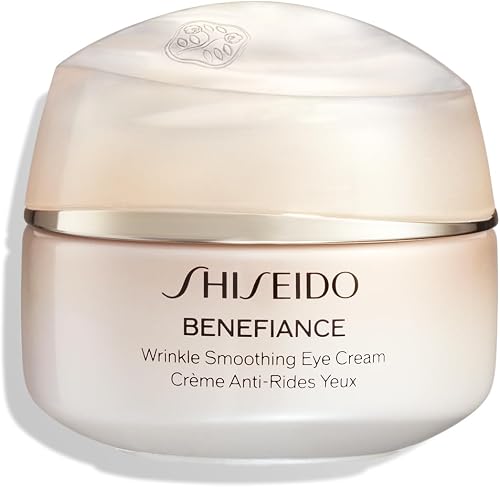
| Shiseido Benefiance Wrinkle Smoothing | ReNeura technology, hyaluronic | 48-hr hydration over days off | Cushioned cream |
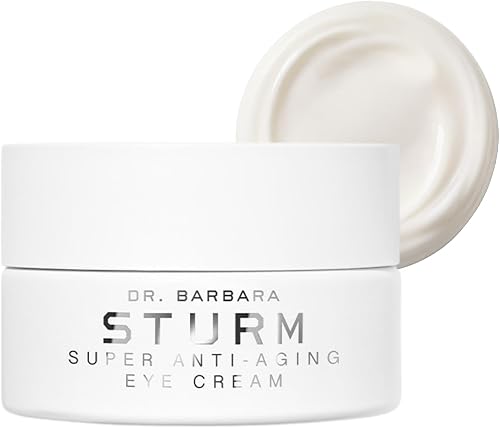
| Dr. Barbara Sturm Super Anti Aging Eye Cream | Purslane, skullcap | Anti-inflammatory after nights | Silky cream |
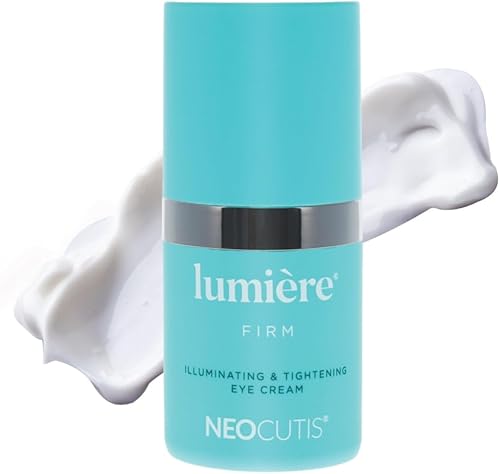
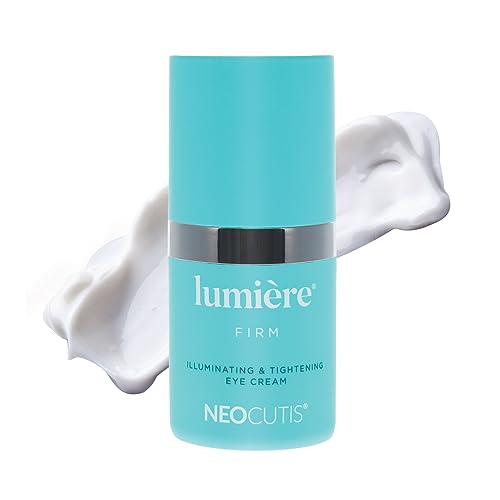
| NEOCUTIS Lumiere Firm | Peptides, PSP technology | Tightening visible vessels | Firm-finish cream |
How to Use It Around a Rotating Schedule
Apply a rice-grain amount with your ring finger after your morning post-shift shower (which for nurses is really the evening). Tap it from the inner corner outward along the orbital bone, then sweep upward toward the temples to encourage lymph drainage. Reapply a thin layer before sleep if you're using blackout curtains and a sleep mask, and keep the jar in a small skincare fridge—a 5-minute cooling application before your shift constricts those superficial vessels and visibly lightens blue tones for the start of report. For a fuller routine, see our guide to applying eye cream.
Top Luxury Picks When Sisley Is Sold Out or Out of Budget
Augustinus Bader The Rich Eye Cream
If you're coming off a six-night stretch and your under-eyes look bruised, Bader's TFC8 complex is the closest analog to Sisley's recovery feel. The rich balm texture is heavy enough to seal in hydration during daytime sleep behind blackout curtains, and the formula doesn't sting on a compromised barrier. Many nurses report visible reduction in blue undertones after three to four weeks of nightly use. Augustinus Bader The Rich Eye Cream.
TATCHA The Silk Peony Melting Under Eye Cream
For nurses who wear under-eye concealer to morning huddle, TATCHA's melting texture is the most makeup-friendly option in this lineup. Peony root extract provides a subtle, immediate brightening effect that helps disguise blue tones before you've had coffee, and the silk extract leaves a satin finish that won't pill under cream concealer. It's also fragrance-restrained enough for sensitive workplace environments. TATCHA The Silk Peony Melting Under Eye Cream. Curious how it stacks up against Sisley directly? Read our TATCHA vs Sisley eye cream comparison.
iS CLINICAL Youth Eye Complex
iS CLINICAL is the pick if you want clinical-grade firming alongside the brightening. Copper tripeptide and glycoproteins target the thinning dermis that lets blue vessels show through, while the formula stays cool and lightweight—important when you're wearing goggles for an entire shift. It's also one of the few luxury eye creams that performs well on combination periorbital skin, common in nurses who do a lot of mask-wearing. iS CLINICAL Youth Eye Complex.
Shiseido Benefiance Wrinkle Smoothing Eye Cream
Shiseido's 48-hour hydration claim isn't marketing fluff for shift workers—if you forget your evening application after a brutal night, the residual moisture barrier is still doing work. The ReNeura technology helps the skin respond better to recovery during fragmented daytime sleep cycles. It's also priced more accessibly than the European luxury brands without sacrificing the elegant texture night-shift nurses appreciate. Shiseido Benefiance Wrinkle Smoothing Eye Cream.
Dr. Barbara Sturm Super Anti Aging Eye Cream
Sturm's formula leans heavily on purslane and skullcap, both potent anti-inflammatory botanicals. For nurses whose blue shadows are compounded by inflammatory puffiness after critical shifts, this is the one to reach for. The texture is silky rather than rich, making it suitable for warmer summer months or for layering under SPF before a sunny morning commute home. Super Anti Aging Eye Cream 0.50 Fl Oz.
NEOCUTIS Lumiere Firm
NEOCUTIS is the dark horse pick for nurses who want visible vessel tightening. The PSP processed skin proteins technology helps thicken the dermal layer over time, which is the long-game fix for blue shadows showing through translucent skin. It's a favorite among dermatology and plastic surgery nurses who see what works on real periorbital concerns. NEOCUTIS Lumiere Firm.
What Makes the Sisley Black Rose Eye Contour for Night Shift Nurses Different
The reason the sisley black rose eye contour for night shift nurses keeps surfacing on healthcare forums is its rare combination of anti-fatigue botanicals, mild firming, and zero retinoid irritation. Most luxury eye creams force a tradeoff: aggressive brightening that stings on tired skin, or gentle hydration that doesn't move the needle on visible discoloration. Sisley sits in the middle. The black rose extract has been shown in brand-commissioned studies to support microcirculation, which is exactly the mechanism that addresses venous-blue shadows rather than melanin-brown ones. Pair it with cold-spoon massage when you wake and you'll see noticeably brighter eyes by your second shift back.
Lifestyle Tweaks That Multiply Eye Cream Results
No eye cream outperforms a routine that ignores hydration and sleep posture. Drink 8 oz of water with electrolytes within an hour of waking for your night shift—this single change can reduce visible vascular shadows within days. Sleep slightly elevated (one extra pillow) during daytime rest to discourage fluid pooling. Skip salty hospital cafeteria food on the back half of your shift if you're prone to morning puffiness. And keep a metal cooling roller in your skincare fridge for 30-second under-eye sweeps before clinical photos or family gatherings on your post-night recovery day. For more on barrier care, see our piece on the importance of hydration in eye creams.
Storage and Travel Tips for Hospital Lockers
Hospital lockers swing in temperature, and Sisley's botanical-heavy formula degrades faster in heat. Don't store the jar in your work bag if you're parking in a sunbaked lot between shifts. Decant a week's worth into a small sterile cosmetic pot and keep the main jar at home in a cool, dark cabinet—or better, a small skincare fridge. The cool application is itself part of the vasoconstriction strategy that helps with blue shadows. Read more in our guide to storing and preserving luxury eye creams.
Frequently Asked Questions
Does Sisley Black Rose Eye Contour work for blue dark circles caused by sleep deprivation?
Yes, it's particularly effective for sleep-deprivation-driven blue shadows because the black rose and padina pavonica complex supports microcirculation and skin barrier hydration—the two factors that worsen most when you're chronically sleep-deprived. Expect visible improvement in two to four weeks of nightly use, more dramatic when paired with hydration and sleep-posture changes.
Can I use Sisley Black Rose Eye Contour under medical PPE without irritation?
The formula absorbs cleanly and doesn't leave residue that would compromise the seal of N95s or safety goggles. It's also fragrance-light by luxury standards, which matters in clinical settings. Apply 10 minutes before donning PPE so it has time to fully sink in, and avoid pairing it with heavy occlusive face oils that could migrate under your mask.
What's the best eye cream for 12-hour night shifts if I have a sensitive skin barrier?
Look for fragrance-free, retinoid-free formulas with peptides and humectants like hyaluronic acid. Shiseido Benefiance and iS CLINICAL Youth Eye Complex are both well-tolerated on compromised barriers. Avoid anything labeled "rapid resurfacing" or with high AHA percentages while you're in the middle of a stretch of nights—your skin doesn't have the recovery bandwidth.
How is the Sisley Black Rose Eye Contour different from regular brightening eye creams for nurses?
Standard brightening eye creams target melanin-based pigmentation with ingredients like vitamin C, kojic acid, or niacinamide. Sisley's formula instead targets vascular-based blue shadows by supporting capillary health and dermal thickness. If your shadows look more brown than blue, a vitamin C cream may serve you better; if they're purplish-blue, the Sisley mechanism is the right match.
Should night shift nurses apply eye cream before or after their shift?
Both. Apply a lighter layer before your shift to protect against hospital dehydration, then a richer application after your shift before daytime sleep so the actives work during your rest window. Many nurses also keep a third travel-size in their locker for a mid-shift refresh during meal breaks.
Is the Sisley Black Rose Eye Contour worth it compared to drugstore options for nurses on a budget?
For night-shift workers specifically dealing with blue vascular shadows, the formula does outperform most drugstore options on this concern. That said, if budget is tight, layering a caffeine serum like The Ordinary Caffeine Solution under a basic CeraVe Eye Repair Cream gets you partway there. See our breakdown of budget considerations in luxury eye care for more pairing strategies.
How long until I see results on blue under-eye shadows from shift work?
Most night-shift nurses report visible reduction in blue tones within two to three weeks of consistent twice-daily application, paired with hydration and elevated sleep posture. Full results—including improved dermal thickness so vessels show less—take 8 to 12 weeks. The cold application trick produces a same-day visible effect that's helpful for clinical photos or post-shift social events.
Final Verdict for Night-Shift Nurses With Blue Shadows
The Sisley Black Rose Eye Contour earns its cult status among healthcare workers because it addresses the specific physiology behind shift-worker blue shadows rather than generic dark-circle marketing. If you can swing the price point, it's the targeted pick. If not, Augustinus Bader for richness, TATCHA for makeup compatibility, and iS CLINICAL for clinical-grade firming are the strongest alternatives in 2026—all of them tolerable on the kind of tired, dehydrated, mask-compressed skin that a string of 12-hour nights leaves behind.
Key Takeaways
- Choosing the right sisley black rose eye contour for night shift nurses means matching the key features to your specific needs and budget
- Read real customer reviews and check the return policy before you commit
- Also covers: sisley black rose for nurses dark circles
- Also covers: luxury eye cream for night shift workers
- Also covers: sisley eye contour blue shadows under eyes
- Compare value across models — the priciest option is not always the best fit